Why We Love Old Trucks
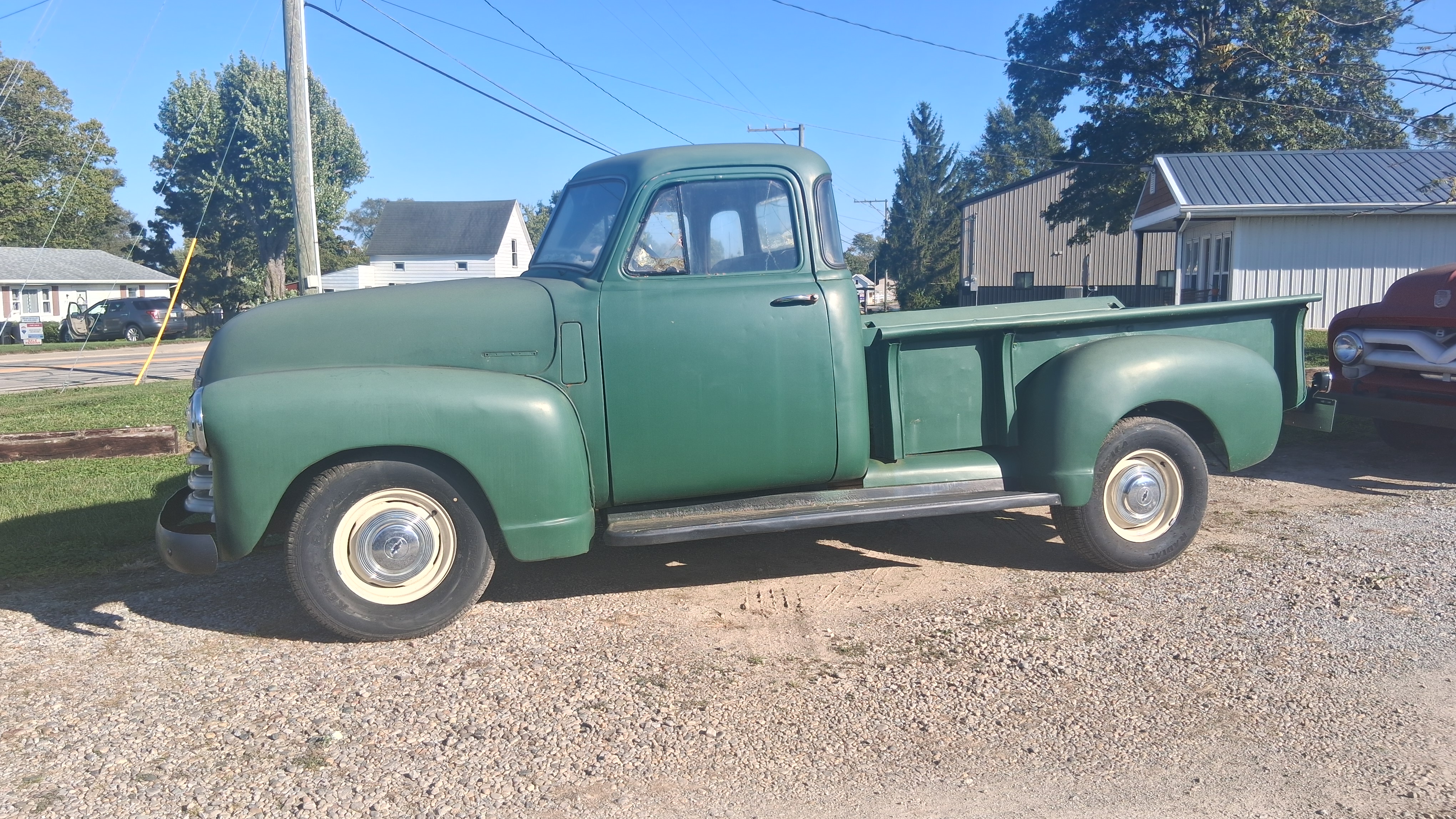
There is something about an old truck that makes people stop.
Not necessarily because it is shiny. Not because it is fast. And certainly not because it has Bluetooth.
Old trucks make people stop because they look like they have been somewhere.
They look like they have hauled feed, lumber, tools, kids, dogs, furniture, fence posts, hay bales, and at least one thing that probably should have required a trailer.
They carry dents honestly.
They wear faded paint like a badge.
And somehow, even when they are sitting completely still, they still look like they have a job to do.
Old Trucks Were Built for Work
For much of the twentieth century, pickup trucks were not lifestyle accessories. They were tools.
Farmers used them. Contractors used them. Families used them. Small businesses used them.
A truck might haul grain in the morning, furniture in the afternoon, and half the neighborhood to a ballgame by evening.
That practical history is part of what makes old trucks so appealing today.
They remind us of a time when a vehicle was expected to earn its keep.
Why the Imperfections Matter
One of the best things about an old truck is that it usually does not pretend to be perfect.
A scratch may have come from a fence post. A dent may have come from a feed gate. The worn spot on the seat may have come from one farmer climbing in and out of the cab for thirty years.
Those imperfections are not always damage to be erased. Sometimes they are evidence.
They tell you the truck had a life before it became collectible.
That is very similar to antiques in general.
Collectors often love the signs that something was actually used. A smooth handle on an old tool. Wear on a wooden chair. A faded label. A worn drawer pull.
Old trucks work the same way.
The Farm Truck Effect
Few vehicles can create nostalgia faster than an old farm truck.
People see one and immediately remember a grandfather, an uncle, a family farm, a summer job, or a truck they learned to drive in.
The truck itself may not even be the same make or model.
It does not matter.
The shape, the bench seat, the steering wheel, the smell of old vinyl, and the sound of a door closing can bring back an entire period of someone's life.
That kind of emotional connection is hard to manufacture.
When Trucks Became Collectible
For a long time, old trucks were simply old trucks.
Then people began realizing that the working vehicles they remembered from childhood were disappearing.
As early pickups became less common on the road, restoration and collecting grew.
Today, vintage trucks can be restored to showroom condition, preserved in original paint, turned into shop displays, used in parades, or simply kept running as working vehicles.
Collectors may chase originality. Others love patina. Some want perfect chrome. Others want faded paint and a little surface rust.
There is room for all of it.
Patina: Dirt's More Respectable Cousin
If you spend enough time around old vehicles, you will eventually hear the word patina.
Patina is the natural aging that develops over time.
It can include faded paint, light surface rust, worn finishes, weathering, and the subtle changes that happen after decades of use.
Good patina tells a story.
Bad neglect tells a different story.
The trick is knowing the difference.
A truck with beautiful original paint faded evenly by the sun can have tremendous character. A truck with structural rust holding the frame together by optimism alone is another matter.
Original or Restored?
Collectors debate this all the time.
Should an old truck be restored until it looks brand new?
Or should it be preserved exactly as it is?
There is no single correct answer.
Restored Trucks
A full restoration can bring a truck back to the way it looked when it left the factory.
That may mean new paint, repaired bodywork, rebuilt mechanical systems, restored interiors, and period-correct details.
A well-done restoration can be stunning.
Original Survivors
Other collectors prefer trucks that still wear their original paint and interiors.
These are often called survivors.
A survivor may show wear, but it still retains the materials and character that came with the truck through its working life.
For many people, that history is the whole point.
The Appeal of the Bench Seat
There are certain old-truck features modern vehicles simply do not reproduce.
The giant steering wheel.
The metal dashboard.
The simple gauges.
The floor-mounted controls.
And of course, the bench seat.
Bench seats were practical. They were also wonderfully informal.
You could fit three people across the cab if everyone was willing to negotiate elbow room.
Seat belts were sometimes more of a philosophical concept than a physical object.
Times have changed.
Old Trucks Were Often Simple Machines
One of the reasons vintage-truck owners enjoy working on them is their relative simplicity.
Older trucks generally have fewer electronic systems than modern vehicles.
Open the hood and you can actually see the engine.
Sometimes you can even identify what the parts do without connecting a laptop.
For hobbyists who enjoy mechanical work, that simplicity is part of the appeal.
It also means an old truck can become a rolling education in engines, brakes, electrical systems, bodywork, welding, upholstery, and paint.
The Old Truck as Decoration
Even when a vintage truck is not being driven every day, it can become part of a place's identity.
Old trucks look at home beside antique stores, barns, farm markets, bakeries, flea markets, and roadside businesses.
They can hold flowers.
They can become seasonal displays.
They can be dressed for Christmas, fall, Halloween, or patriotic holidays.
They can become photo backdrops.
They can even become landmarks.
“Turn at the old green truck” is often a much better direction than “watch for the third driveway after the utility pole.”
Why Old Trucks Belong at Rusty Relics
Old trucks fit Rusty Relics because they represent many of the same things we love about antiques.
They were useful.
They were built to last.
They picked up stories along the way.
And once their original purpose changed, somebody looked at them and saw value instead of junk.
That is what antique hunting is all about.
Seeing possibility where someone else sees something old.
What to Look for When You See an Old Truck
You do not have to be a mechanic to enjoy an old pickup.
Start by looking at the details.
- Notice the hood shape.
- Look at the grille.
- Check the badge or emblem.
- Look at the headlights.
- Notice whether the bed is original.
- Look at the wheels and hubcaps.
- Check the dashboard and steering wheel.
- Look for old dealer stickers or farm markings.
These small details can help identify the era, manufacturer, and history of the truck.
Chevrolet, Ford, Dodge, International... Everybody Has a Favorite
Truck people tend to have opinions.
Strong opinions.
Sometimes inherited opinions.
A Ford family may remain a Ford family for generations.
A Chevrolet person may explain, at length, why that is clearly the correct choice.
Someone will mention International Harvester.
Someone else will bring up Dodge.
Eventually everybody will start talking about engines.
This is normal.
Old Trucks and Family Stories
Some of the best old-truck stories are not about the truck itself.
They are about the people who rode in it.
The grandfather who drove it to work.
The teenager who learned to shift gears in it.
The dog that always rode in the bed.
The family that moved half its furniture with it.
The kids who sat three-across on the bench seat.
Vehicles have an unusual way of becoming part of family history.
That is especially true when they stick around long enough to become antiques.
Why People Stop and Take Pictures
Old trucks are wonderfully photogenic.
Their shapes are simple and bold.
Chrome catches the light.
Faded paint creates texture.
They look good beside pumpkins, Christmas trees, flowers, wooden crates, antique signs, and just about anything else you would find around a vintage shop.
And unlike many antique objects, you can stand next to a truck without worrying that you are going to knock it off a shelf.
The Rusty Relics Old Truck Rule
If you see an old truck, stop and look.
Walk around it.
Notice the details.
Ask what year it is.
Ask who owned it.
Ask whether it still runs.
And if the owner starts telling you the story, settle in.
Truck stories are rarely short.
That is part of the fun.
Old Truck Quick Guide
Why are old trucks collectible?
Nostalgia, design, mechanical simplicity, rarity, history, and their connection to American work and farm life.
What does “patina” mean?
Natural aging and wear such as faded paint, light surface rust, and weathering.
Is original paint desirable?
It can be. Many collectors value well-preserved original finishes and honest wear.
Do restored trucks have value?
Absolutely. Quality, correctness, model, rarity, and condition all matter.
What should beginners look at?
Badges, grilles, hood shapes, wheels, interior details, bed style, and overall condition.
Best reason to love an old truck?
Because every dent looks like it probably has a story.
Final Thought
An old truck is more than transportation.
It is a piece of working history.
It reminds us that useful things can become beautiful with age.
It reminds us that worn does not mean worthless.
And it reminds us that sometimes the best antiques are too big to fit on a shelf.
That is one of the reasons old trucks belong at Rusty Relics.